
10 Signs Your Sofa Needs Professional Repair

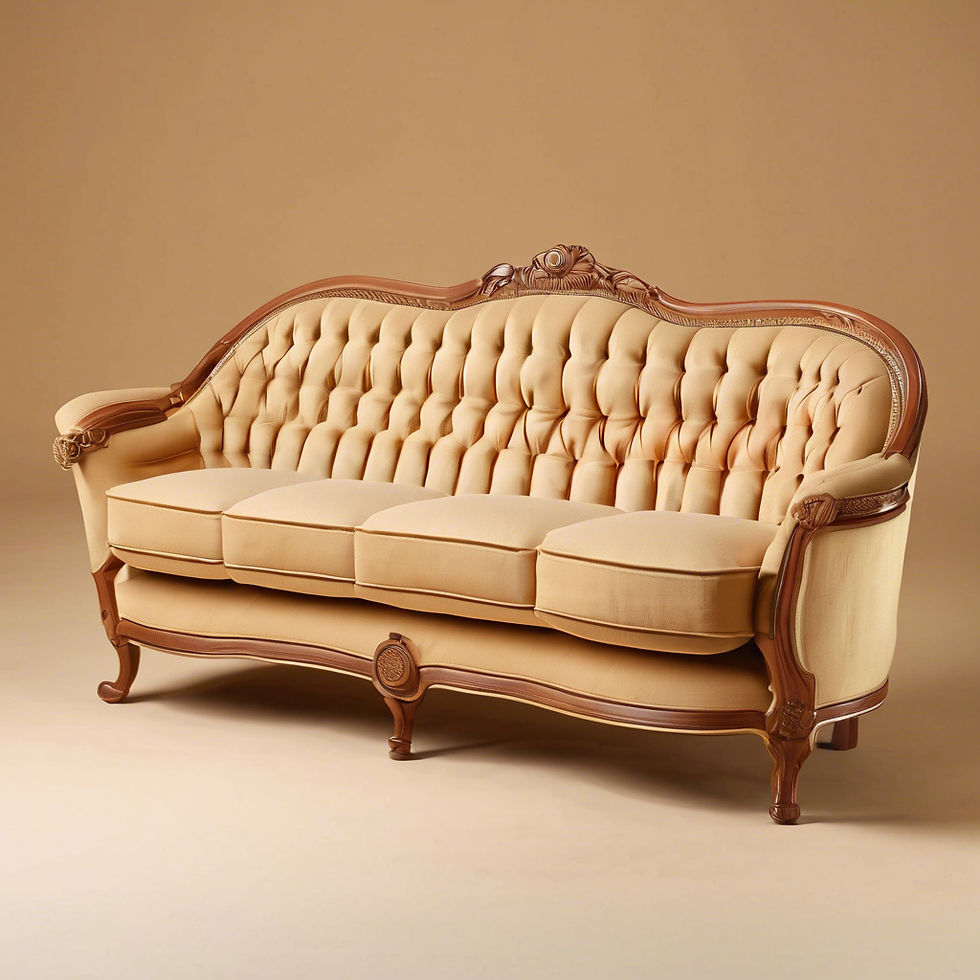
Your sofa is more than just a piece of furniture. It is where families gather, guests relax, and many people spend hours watching television, reading, or working. Because of constant use, sofas naturally experience wear and tear over time. While some minor issues may seem harmless, ignoring them can lead to bigger problems and more expensive repairs later.
Recognizing the early warning signs can help you restore your sofa before the damage becomes severe. Here are ten common signs that indicate your sofa may need professional repair.
1. Sagging Cushions
One of the most obvious signs of sofa deterioration is sagging cushions. If you notice that the cushions no longer provide proper support or return to their original shape after use, the foam inside may have worn out.
Professional foam replacement can restore comfort and improve the overall appearance of the sofa.
2. Torn or Damaged Upholstery
Small tears, holes, or fabric damage may seem minor at first, but they often worsen over time. Daily use can cause the damaged area to expand, making repairs more complicated.
Professional upholstery replacement can give your sofa a fresh new look while preventing further deterioration.
3. Visible Frame Damage
The frame is the backbone of your sofa. Cracks, loose joints, or broken wooden sections can compromise stability and safety.
If your sofa feels unstable or shifts when someone sits down, professional frame repair should be considered immediately.
4. Squeaking Noises
A sofa should not make unusual noises every time someone sits on it. Squeaks and creaks often indicate problems with the frame, springs, or support structure.
Ignoring these sounds can eventually lead to more extensive structural damage.
5. Uneven Seating
If one side of the sofa feels lower than the other, internal support components may have weakened.
Uneven seating not only affects comfort but can also place additional stress on the sofa's structure.
6. Broken Springs
Springs play a crucial role in providing support and maintaining the sofa's shape. Broken or damaged springs can make the seating feel uncomfortable and unstable.
Professional technicians can inspect and replace damaged spring systems to restore proper support.
7. Recliner Mechanism Problems
For recliner sofas, mechanical issues are common signs that repair is needed.
Common symptoms include:
Difficulty reclining
Stuck footrests
Loose handles
Uneven movement
Electrical malfunctions in power recliners
Professional repair can often resolve these issues without requiring a complete replacement.
8. Persistent Stains and Odors
Over time, sofas can absorb spills, pet odors, and dust particles. While cleaning helps, some stains and smells become deeply embedded in the upholstery.
Reupholstery and professional cleaning services can restore freshness and improve hygiene.
9. Fading and Discoloration
Exposure to sunlight can cause upholstery fabric to fade significantly. This not only affects appearance but may also weaken the fabric fibers.
Replacing worn upholstery can dramatically improve the look of your living room.
10. Reduced Comfort
Perhaps the most important sign is a noticeable decline in comfort. If your sofa no longer feels comfortable to sit on, the foam, cushions, springs, or support structure may require attention.
Professional restoration can bring back the comfort you originally enjoyed.
Why Early Repairs Matter
Many homeowners postpone repairs because the damage appears minor. Unfortunately, small issues often become larger and more expensive problems over time.
Early intervention can:
Extend the lifespan of the sofa
Reduce repair costs
Improve comfort
Enhance appearance
Prevent structural damage
Conclusion
A sofa is a valuable investment that deserves proper care. By recognizing these warning signs early, homeowners can address problems before they become serious.
Whether you need upholstery replacement, foam upgrades, spring repairs, or structural restoration, professional sofa repair services can help extend the life of your furniture and keep it looking its best for years to come.
FAQs
How often should sofas be inspected for damage?A basic inspection every six months can help identify potential issues early.
Can sagging cushions be fixed?Yes. Foam replacement is one of the most effective solutions.
Should I repair or replace a damaged sofa? If the frame is still strong, repair is usually the more economical option.


Comments